Press Releases
80% of Failed Subscription Payments Are Not the User's Fault: How COLIBRIX ONE Solves It
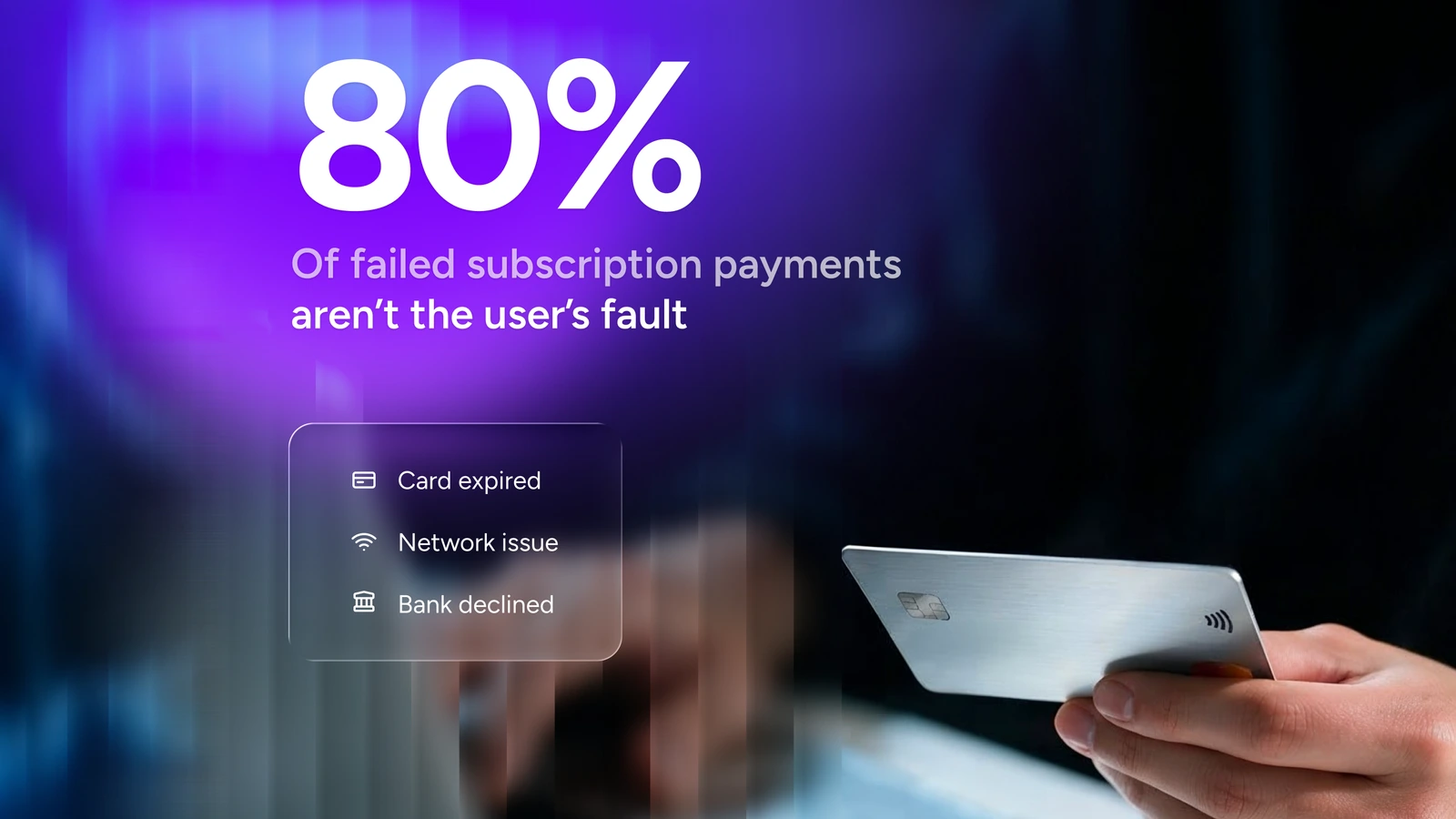
Industry research shows half of all subscription churn stems from failed payments, and 80% of those are due to card issues, not customer choice. Ultimately, the payment layer decides how much revenue stays.
Almost everything is sold by subscription now, from software to meal kits. The economics are strong because recurring revenue compounds: last month's customers become this month's starting line, enabling businesses to forecast and invest against contracted income.
The gain is also operational. "A one-off sale must be processed from scratch every time," says Svetlana Voloshyna, Payment Solutions Consultant at COLIBRIX ONE. "Subscriptions hand finance teams upfront behavioural data for precise cash flow forecasting. It is lighter on the back end, too: instead of reconciling hundreds of separate transactions, a business receives one consolidated settlement."
Where the Subscription Model Breaks
The model rests on money arriving automatically, cycle after cycle. That dependence is its biggest vulnerability. Payments can fail for various reasons, from exhausted limits between billing dates to unexpected routing blocks.
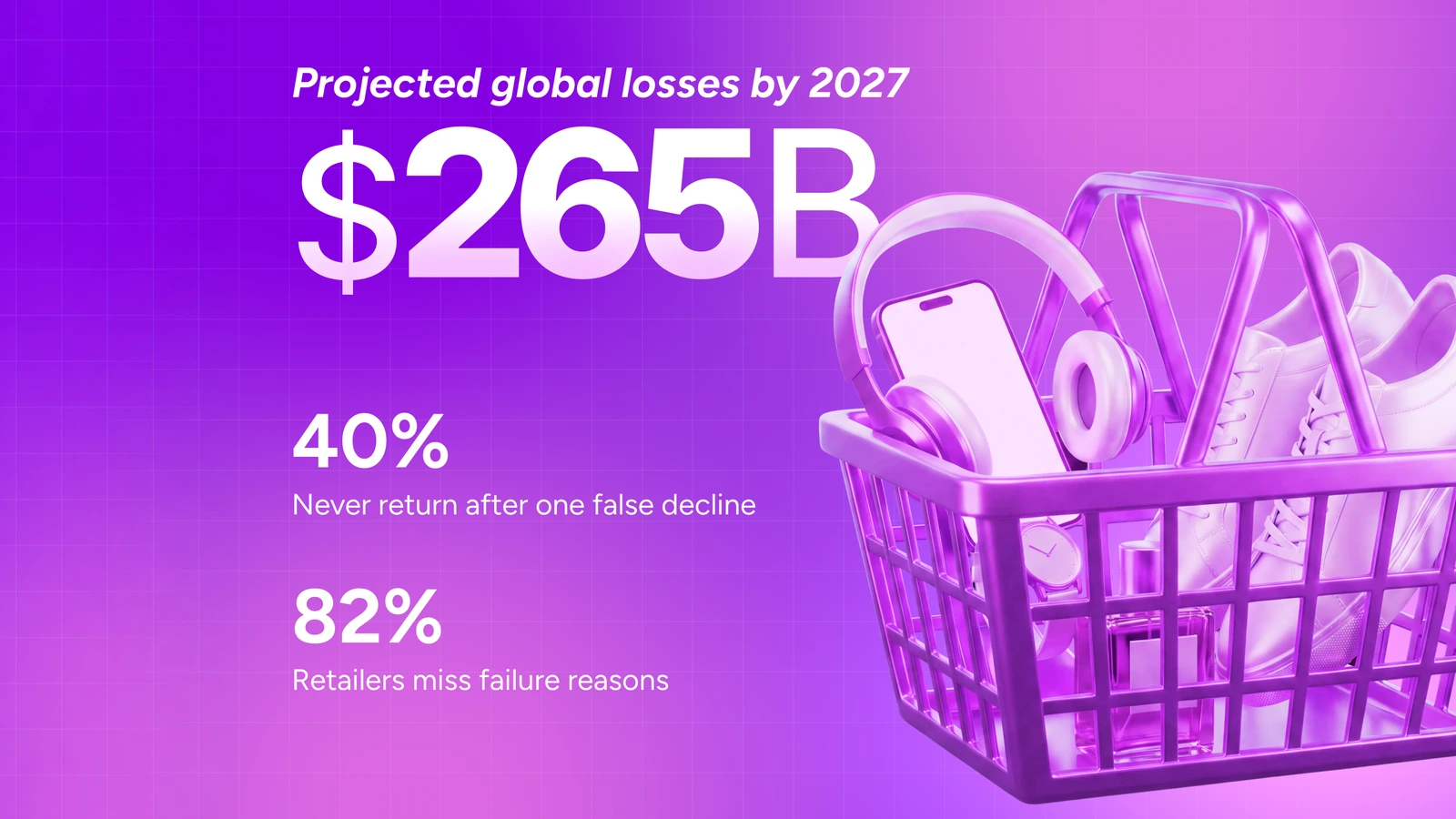
When a scheduled charge declines, the subscription lapses, losing a customer who never intended to leave. This involuntary churn is costly: PYMNTS Intelligence notes that 80% of failed payments happen for reasons entirely outside subscriber control.
For businesses, the real breaking point often happens after the decline. When a spike in failed transactions occurs, merchants need urgent help. Instead, they are frequently stuck chatting with bots or navigating self-service portals. Without an actively involved partner to investigate immediately, recoverable payments are lost.
The Infrastructure That Keeps Revenue In
Most lost revenue is recoverable if the billing layer acts as responsive infrastructure. COLIBRIX ONE’s automated payment gateway compatible with any billing model — fixed, usage-based, or hybrid — through a single API. The business sets the logic, and the gateway executes. Billing cycles and amounts can change for active subscribers anytime, without re-integration or customer re-authorisation.
To tackle involuntary churn, COLIBRIX ONE focuses on what truly helps merchants:
- Proactive, Human Support: When payment issues arise, merchants get immediate access to real experts ready to troubleshoot declines and offer actionable solutions on the spot.
- Unified Global Acceptance: Spans the EU, UK and US across major card networks, Apple Pay, and Google Pay, giving each payment multiple paths to succeed.
- Real-Time Analytics: Tracks every charge instantly. Failing payments surface before they become cancellations, allowing our team and merchants to address them proactively.
Recurring payments sit within a broader ecosystem. As Times of Malta reported, COLIBRIX ONE also provides card acquiring and multi-currency business accounts with named IBANs, letting subscriptions collect and move money globally in one place.
About COLIBRIX ONE
COLIBRIX ONE is a payments infrastructure platform providing acquiring, recurring payments, multi-currency business accounts, and compliance frameworks. It is a trading name of Mellifera Operations Limited and Mellifera Kartiera Limited (an MFSA-authorised EMI, ref. C107685). Colibrix Limited is authorised by the UK Financial Conduct Authority as an Electronic Money Institution (FRN 927920).